
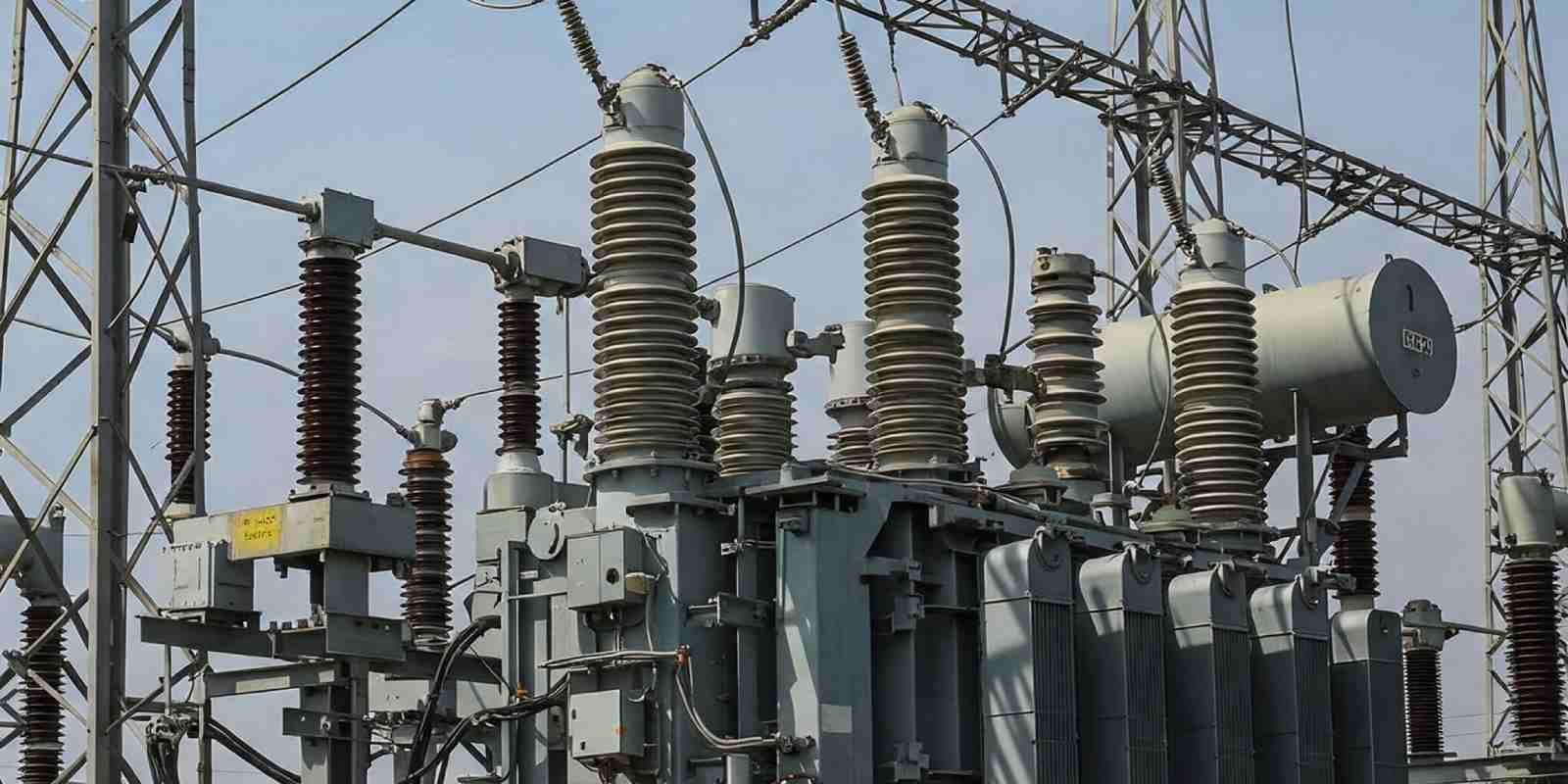
Imagine your high voltage equipment running smoothly without unexpected breakdowns or costly repairs. Regular maintenance is key to achieving this. High voltage equipment, like transformers and circuit breakers, is crucial for reliable and safe electrical systems. Ignoring their maintenance can lead to serious problems.
Common Risks Associated with Neglecting Maintenance
Neglecting maintenance can lead to:
- Electrical Failures and Downtime: Unmaintained equipment is more likely to fail unexpectedly, causing significant downtime and disrupting operations.
- Safety Hazards and Accidents: Faulty high voltage equipment can cause electrical shocks, fires, and explosions, putting lives and property at risk.
- Financial Implications of Equipment Failure: Repairing or replacing damaged equipment is often more expensive than regular maintenance. Downtime can also lead to lost revenue and higher operational costs.
Preventive Maintenance Strategies
Preventive maintenance strategies can reduce the risks associated with high voltage equipment. Scheduled inspections and testing help identify potential issues before they become serious. Predictive maintenance techniques, like monitoring equipment performance and analysing data trends, can further enhance reliability. Regular maintenance programs ensure that equipment operates efficiently and safely.
Key Maintenance and Testing Procedures
Effective maintenance involves several key procedures:
- Visual Inspections and Infrared Thermography: Regular visual inspections help identify visible signs of wear and tear. Infrared thermography detects hotspots and potential faults that are not visible to the naked eye.
- Insulation Resistance Testing: This test measures the insulation resistance of electrical components, ensuring they are functioning correctly and safely.
- Partial Discharge Testing: This technique detects partial discharges within the insulation system, which can indicate potential failures.
Regulatory and Compliance Requirements
Adhering to industry standards and guidelines is essential for maintaining high voltage equipment. Regulatory bodies set specific requirements to ensure the safety and reliability of electrical systems. Non-compliance can result in legal penalties and increased liability.

Cost-Benefit Analysis of Maintenance Programs
A cost-benefit analysis reveals that the benefits of regular maintenance far outweigh the costs. While maintenance programs require an initial investment, they prevent costly repairs and downtime in the long run. The financial benefits of avoiding equipment failure and ensuring continuous operations are substantial.
Innovative Technologies in High Voltage Maintenance
Advances in technology have revolutionised high voltage maintenance. Diagnostic tools, such as advanced sensors and monitoring systems, provide real-time data on equipment performance. The Internet of Things (IoT) and smart monitoring systems enable predictive maintenance, reducing the risk of unexpected failures.
Training and Certification for Maintenance Personnel
Skilled technicians are essential for effective maintenance. Proper training and certification programs ensure that personnel are equipped with the knowledge and skills to perform maintenance tasks safely and efficiently. Investing in training resources enhances the overall reliability of high voltage equipment.
Conclusion: Ensuring Reliability and Safety
In conclusion, neglecting high voltage equipment maintenance and testing can lead to severe consequences, including electrical failures, safety hazards, and financial losses. Implementing regular maintenance programs, adhering to regulatory requirements, and leveraging innovative technologies are crucial for ensuring the reliability and safety of high voltage equipment.
For comprehensive high voltage testing and commissioning services, visit ProT Assist. Our expert team is dedicated to helping you maintain the reliability and safety of your electrical systems. Contact us today to learn more about our services and how we can assist you.