
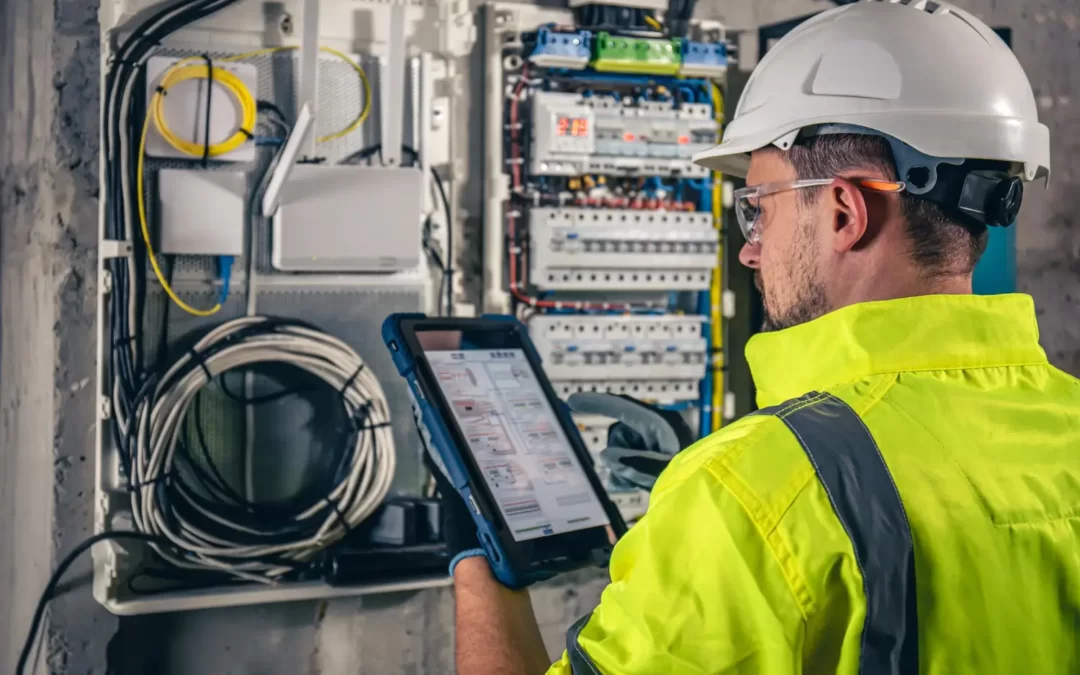
Electrical problems aren’t always obvious. Your equipment may trip unexpectedly, production could stop without warning, or sensitive systems may experience recurring faults, even when routine inspections show nothing unusual.
These issues are often linked to poor power quality, where short-lived electrical disturbances affect how equipment performs. Because these events can happen in milliseconds, they’re easy to miss without specialised monitoring.
That’s where power quality monitoring comes in. By continuously recording your electrical system, it helps identify hidden issues before they lead to costly downtime, equipment damage, or ongoing reliability problems.
Whether you manage a commercial building, manufacturing facility, or industrial site in Melbourne, understanding your electrical supply is the first step towards keeping your operations running smoothly.
What Is Power Quality?
Power quality refers to how reliably electricity is delivered to your equipment. Good power quality means your electrical supply maintains stable voltage, frequency, and waveform so equipment can operate as intended.
Poor power quality occurs when electrical disturbances affect the supply. These disturbances may be so brief that they go unnoticed by people, yet they can still disrupt critical equipment.
Examples include:
- Voltage sags
- Voltage swells
- Harmonic distortion
- Electrical transients
- Voltage imbalance
- Short interruptions
- Frequency variations
As more businesses adopt automation, renewable energy, and sensitive electronics, maintaining good power quality has become increasingly important for operational reliability.
What Is Power Quality Monitoring?
Power quality monitoring is the process of measuring and recording electrical performance over time to identify disturbances that may affect your equipment or operations.
Unlike a one-time electrical test, monitoring collects continuous data while your facility operates normally. This allows engineers to capture intermittent events that are difficult to detect during routine inspections.
A typical monitoring program records:
- Voltage and current
- Harmonic distortion
- Voltage sags and swells
- Electrical transients
- Frequency variations
- Power interruptions
By analysing this information, engineers can determine whether electrical disturbances are contributing to recurring faults or reduced system performance.
Why Is Power Quality Monitoring Becoming More Important?
Modern businesses rely on more sensitive electrical equipment than ever before. Automation systems, Variable Speed Drives (VSDs), solar installations, EV chargers, data centres, and smart building technologies all place greater demands on electrical infrastructure.
While these technologies improve efficiency, they’re also more susceptible to issues like voltage sags, harmonics, and electrical transients. Even a brief disturbance can cause equipment to trip, disrupt operations, or reduce asset lifespan.
That’s why power quality monitoring has become an essential part of maintaining reliable electrical systems. It helps businesses detect hidden electrical issues early, reducing the risk of unexpected downtime and costly repairs.
Signs Your Facility May Have Power Quality Problems
Not every power quality issue causes an immediate shutdown. In fact, many problems develop gradually, making it easy to overlook until equipment begins failing more frequently, or operational disruptions become impossible to ignore.
If your facility is experiencing any of the following symptoms, it may be worth investigating the quality of your electrical supply rather than focusing solely on the equipment itself.
Unexplained Equipment Trips
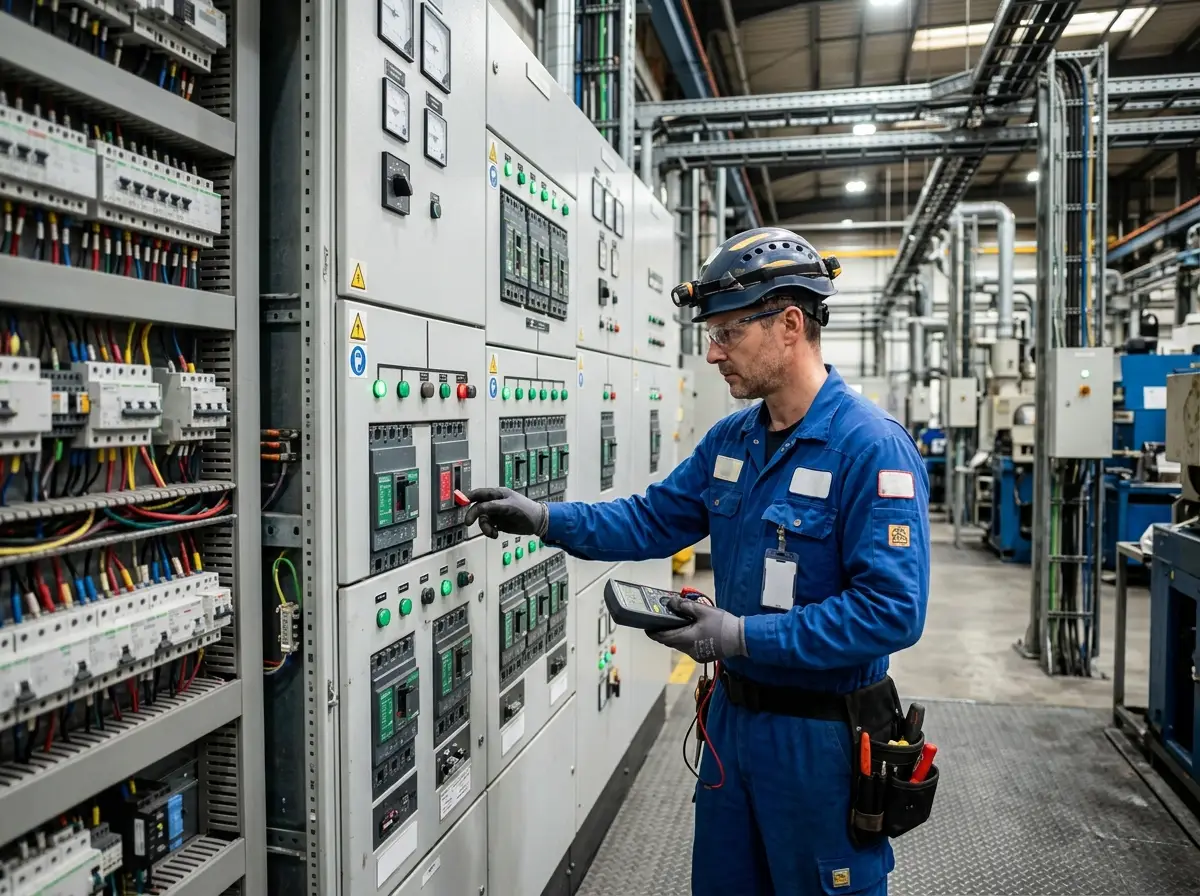
Circuit breakers, protective relays, or Variable Speed Drives (VSDs) that trip without an obvious fault can indicate underlying voltage disturbances or transient events. If the same issue keeps returning despite repairs, the problem may lie within the electrical supply rather than the equipment.
Flickering or Dimming Lights
Occasional flickering might seem harmless, but persistent or widespread lighting fluctuations can point to voltage instability, fluctuating loads, or poor system performance. In commercial and industrial environments, these disturbances often affect more than just lighting.
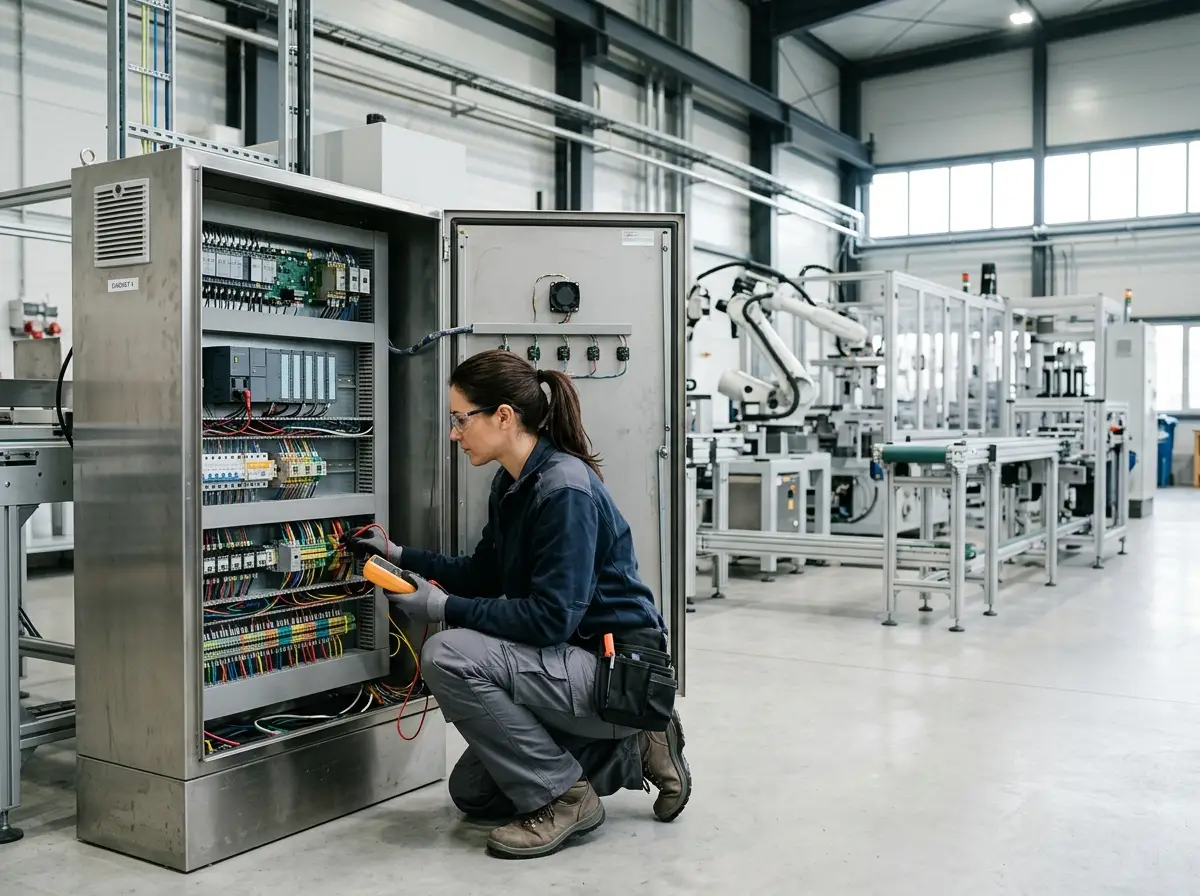
Programmable Logic Controllers (PLCs) and automated control systems rely on stable power to operate correctly. Even brief voltage sags or transients can interrupt communications, reset controllers, or trigger nuisance alarms that reduce productivity.
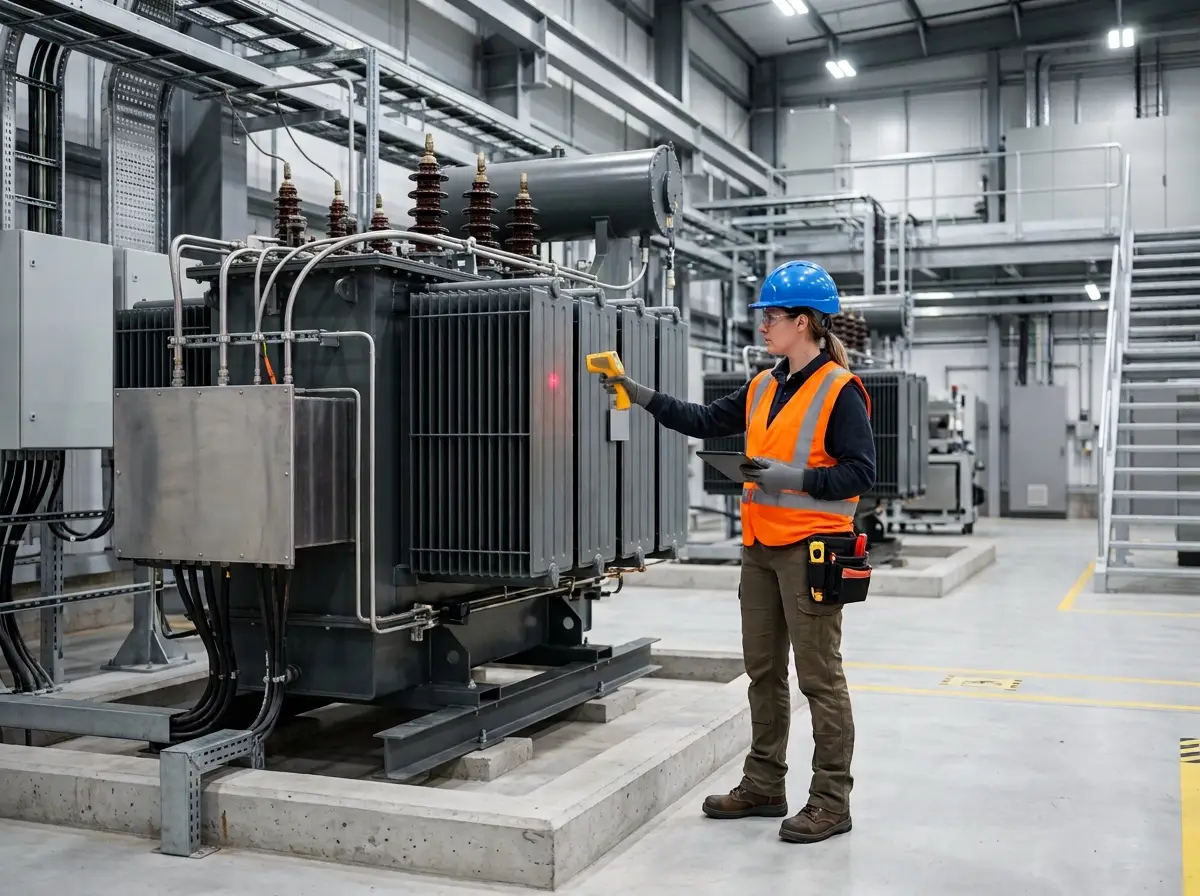
Transformers, motors, switchboards, and cables operating above normal temperatures may be responding to excessive harmonic currents, voltage imbalance, or overloaded circuits. Over time, overheating accelerates insulation ageing and shortens equipment lifespan.
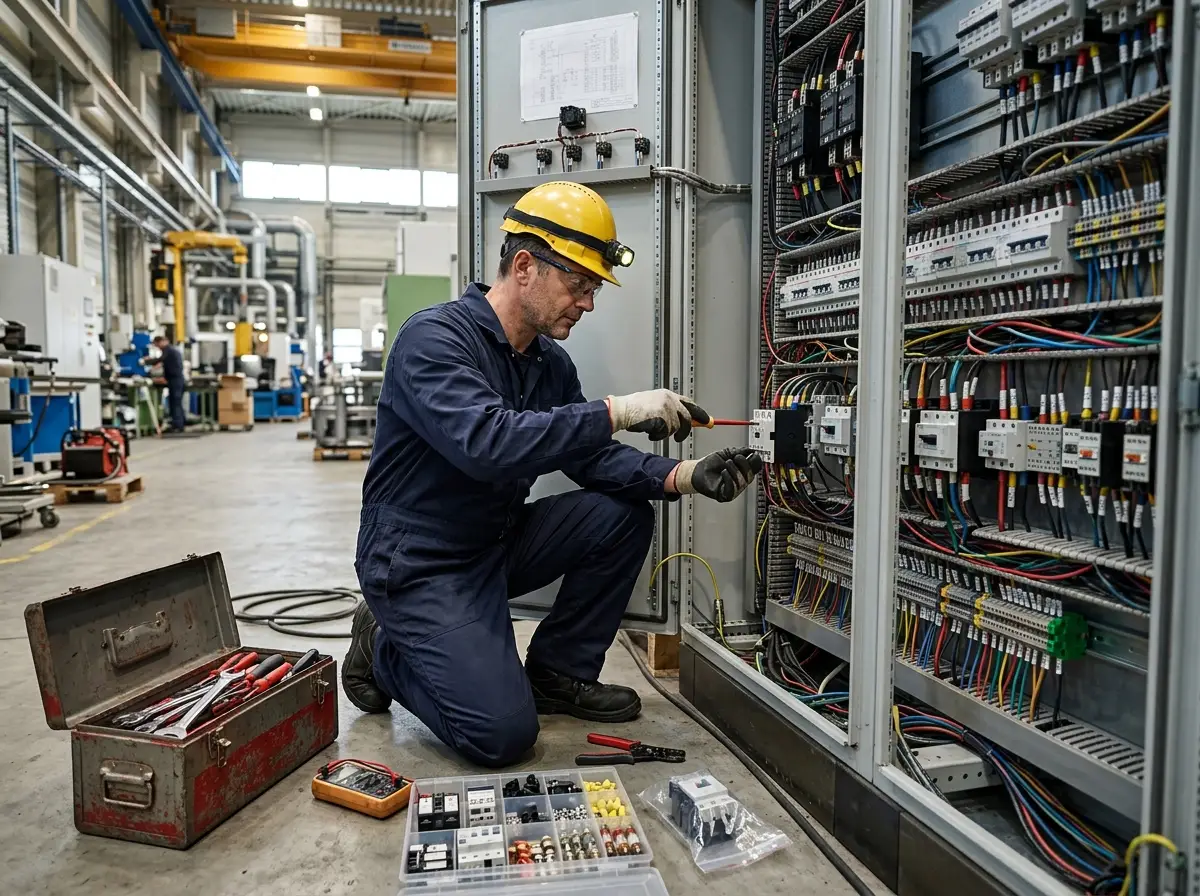
Increasing Maintenance Costs
When electrical components require frequent replacement, but the same faults continue to occur, recurring power quality issues may be contributing to the problem. Monitoring can help determine whether repeated failures are symptoms rather than root causes.
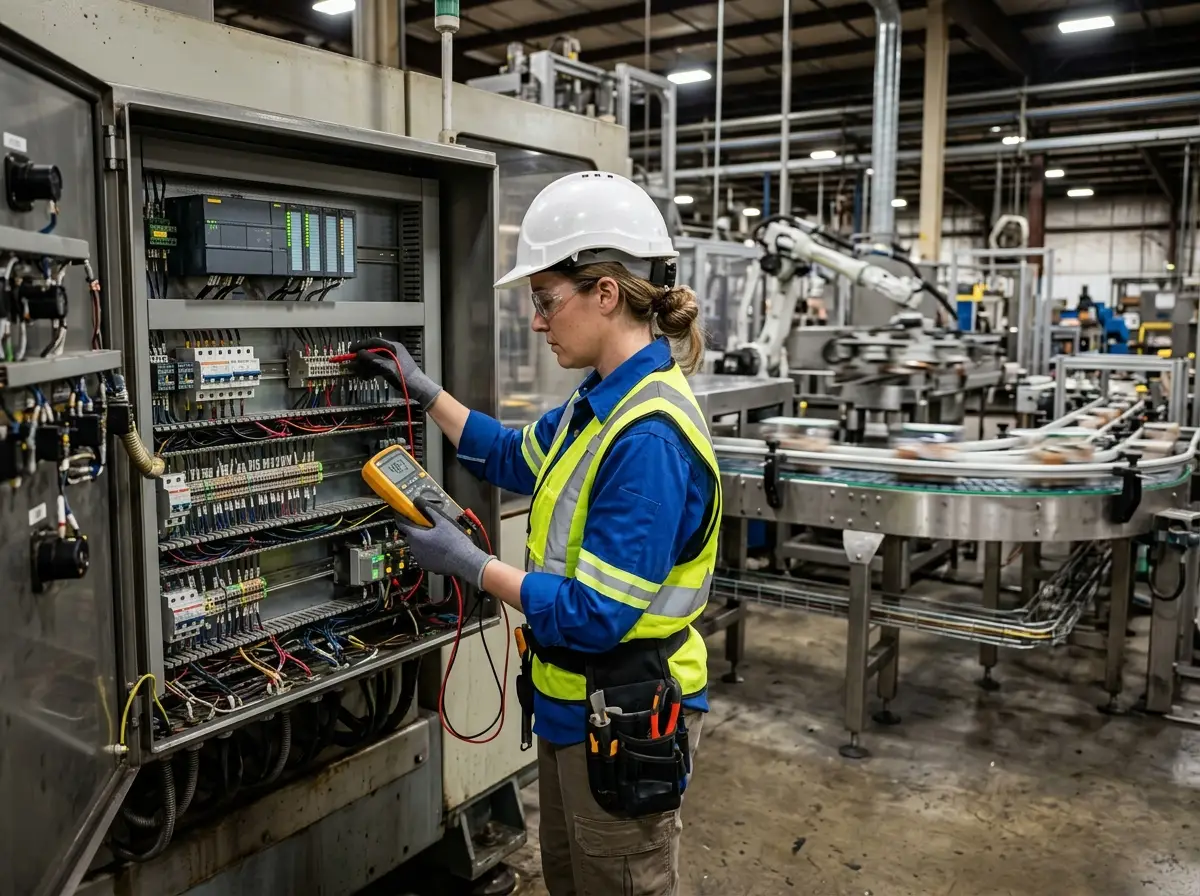
Perhaps the most frustrating scenario is when equipment fails unexpectedly but operates perfectly during inspection. Because many electrical disturbances occur in milliseconds, they’re often impossible to capture without continuous power quality monitoring.
How Power Quality Monitoring Helps
One of the biggest advantages of power quality monitoring is that it replaces guesswork with real data.
Instead of repeatedly replacing components or investigating symptoms, monitoring captures exactly when electrical disturbances occur and how they affect your system. This allows engineers to identify the root cause of recurring issues and recommend practical solutions.
Whether the problem relates to voltage fluctuations, harmonics, or load changes, having accurate electrical data makes troubleshooting faster, more reliable, and often more cost-effective.
When Should You Consider Power Quality Monitoring?
Monitoring isn’t only for facilities experiencing major failures. It’s also a proactive way to assess electrical performance when significant changes have been made to your system.
You should consider power quality monitoring if you’ve recently:
- Installed new machinery or production equipment
- Added solar PV, battery storage, or EV chargers
- Expanded your electrical load
- Experienced recurring equipment faults
- Completed major electrical upgrades
- Want to investigate unexplained downtime
Identifying electrical issues early can help reduce maintenance costs and improve long-term system reliability.

Supporting Melbourne Businesses with Reliable Electrical Systems
Reliable electrical performance starts with understanding what’s happening inside your network.
At Prot Assist, we provide Power Quality Monitoring in Melbourne to help commercial and industrial businesses identify hidden electrical issues before they become costly failures. Our engineers analyse electrical data, investigate recurring disturbances, and provide practical recommendations to improve system reliability.
Where required, our monitoring services can also support broader electrical projects through High Voltage Testing Services, High Voltage Maintenance, and High Voltage Commissioning, helping businesses maintain safe, efficient, and dependable electrical infrastructure.
Take the Guesswork Out of Electrical Issues
Many electrical issues aren’t visible during routine inspections, which is why they often return despite repeated repairs.
Power quality monitoring provides the data needed to understand what is really happening within your electrical system. By identifying disturbances early, businesses can minimise downtime, protect valuable equipment, and make informed decisions about maintenance and future upgrades.
If your Melbourne facility is experiencing recurring electrical issues or unexplained equipment failures, investing in power quality monitoring is a practical first step towards improving reliability and preventing more costly problems in the future. Our team at Prot Assist can help you assess your electrical network, identify hidden disturbances, and recommend practical solutions tailored to your operations. Get in touch today!
Frequently Asked Questions
What is considered poor power quality?
Poor power quality occurs when the electrical supply deviates from acceptable operating conditions. This may include voltage sags, swells, harmonic distortion, transients, frequency variations, or other disturbances that interfere with the reliable operation of electrical equipment.
Is power quality monitoring only for industrial facilities?
No. While manufacturing plants and industrial sites commonly use power quality monitoring, it’s equally valuable for commercial buildings, hospitals, data centres, infrastructure, renewable energy installations, and any facility that relies on sensitive electrical equipment.
How long does power quality monitoring take?
The monitoring period depends on the nature of the issue being investigated. Some faults can be identified within 24 to 48 hours, while intermittent problems may require monitoring over several days or weeks to capture enough data for accurate analysis.
Can power quality monitoring reduce equipment failures?
Monitoring itself doesn’t prevent failures. However, it helps identify the electrical conditions contributing to recurring problems, allowing corrective actions to be implemented before they result in costly equipment damage or unplanned downtime.
Does installing solar or EV chargers affect power quality?
Renewable energy systems and EV charging infrastructure don’t automatically create power quality problems, but they do introduce additional electrical characteristics that should be considered during system design and operation. Monitoring can help verify that these systems are performing as expected within the broader electrical network.