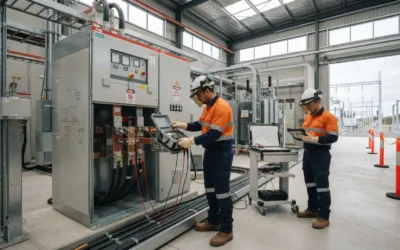
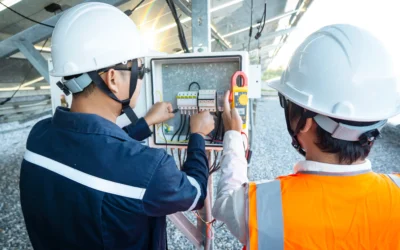
A high voltage testing report should clearly document what equipment was tested, which test methods were used, the measurements obtained, the acceptance criteria applied, and any defects or follow-up actions identified. It should give engineers and asset owners enough...
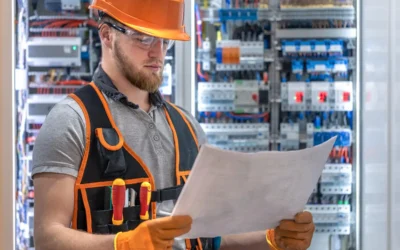
Power Quality Monitoring for Modern Electrical Loads
Modern electrical loads, including variable-speed drives, solar inverters, EV chargers and electronic control systems, can introduce power quality challenges that affect equipment performance and electrical system reliability. Power quality monitoring helps identify...
Why High Voltage Testing Services Matter for Your Electrical Systems
High voltage systems are critical to the operation of many commercial, industrial, utility and infrastructure facilities across Melbourne. When faults remain undetected, they can lead to equipment damage, unexpected outages, safety risks, and costly disruption. High...
HV Testing and Commissioning: What’s the Difference and Why Do You Need Both?
If you operate or manage a high-voltage electrical system, HV testing and commissioning are not the same process—but both are important for reliable and safe operation. High voltage testing checks the condition and performance of individual electrical assets, while...
What Exactly Is Power Quality Monitoring? Why Melbourne Businesses Should Pay Attention
Electrical problems aren't always obvious. Your equipment may trip unexpectedly, production could stop without warning, or sensitive systems may experience recurring faults, even when routine inspections show nothing unusual. These issues are often linked to...
Types of HV Testing Explained
High voltage (HV) testing refers to a set of diagnostic and performance assessments carried out on electrical systems and equipment that operate at voltages typically above 1,000 volts. These tests verify the integrity of insulation, confirm compliance with safety...