
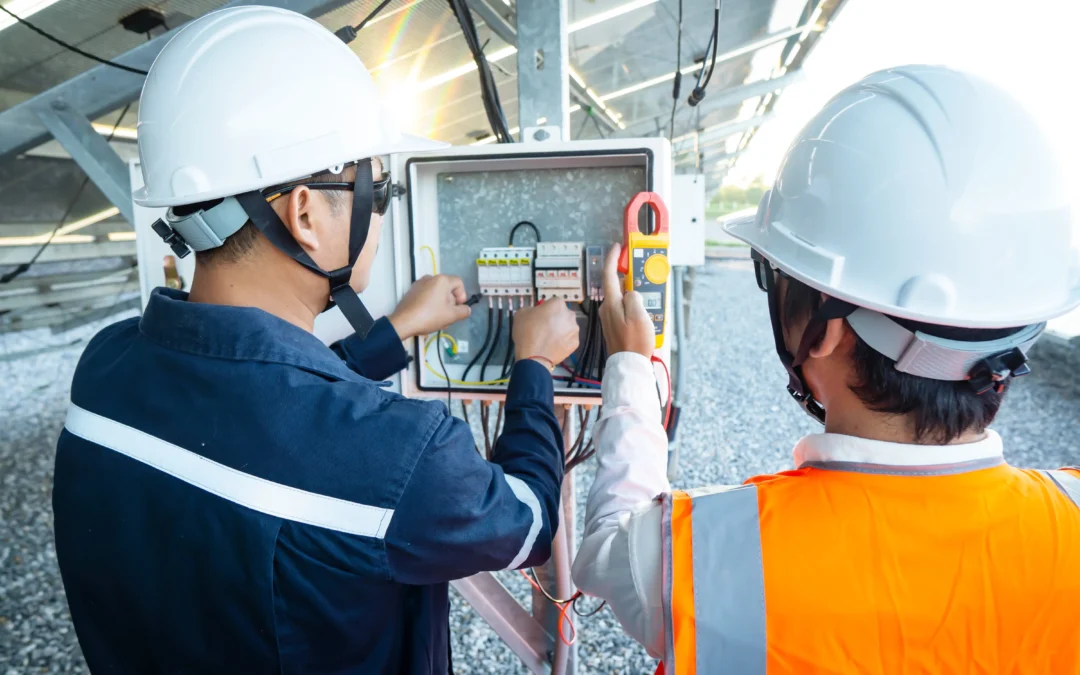
If you operate or manage a high-voltage electrical system, HV testing and commissioning are not the same process—but both are important for reliable and safe operation. High voltage testing checks the condition and performance of individual electrical assets, while commissioning verifies that the complete system has been installed, integrated and operates as intended.
Understanding the difference helps businesses plan the right checks before energisation, after electrical work, and as part of ongoing asset maintenance.
What Is High Voltage Testing?
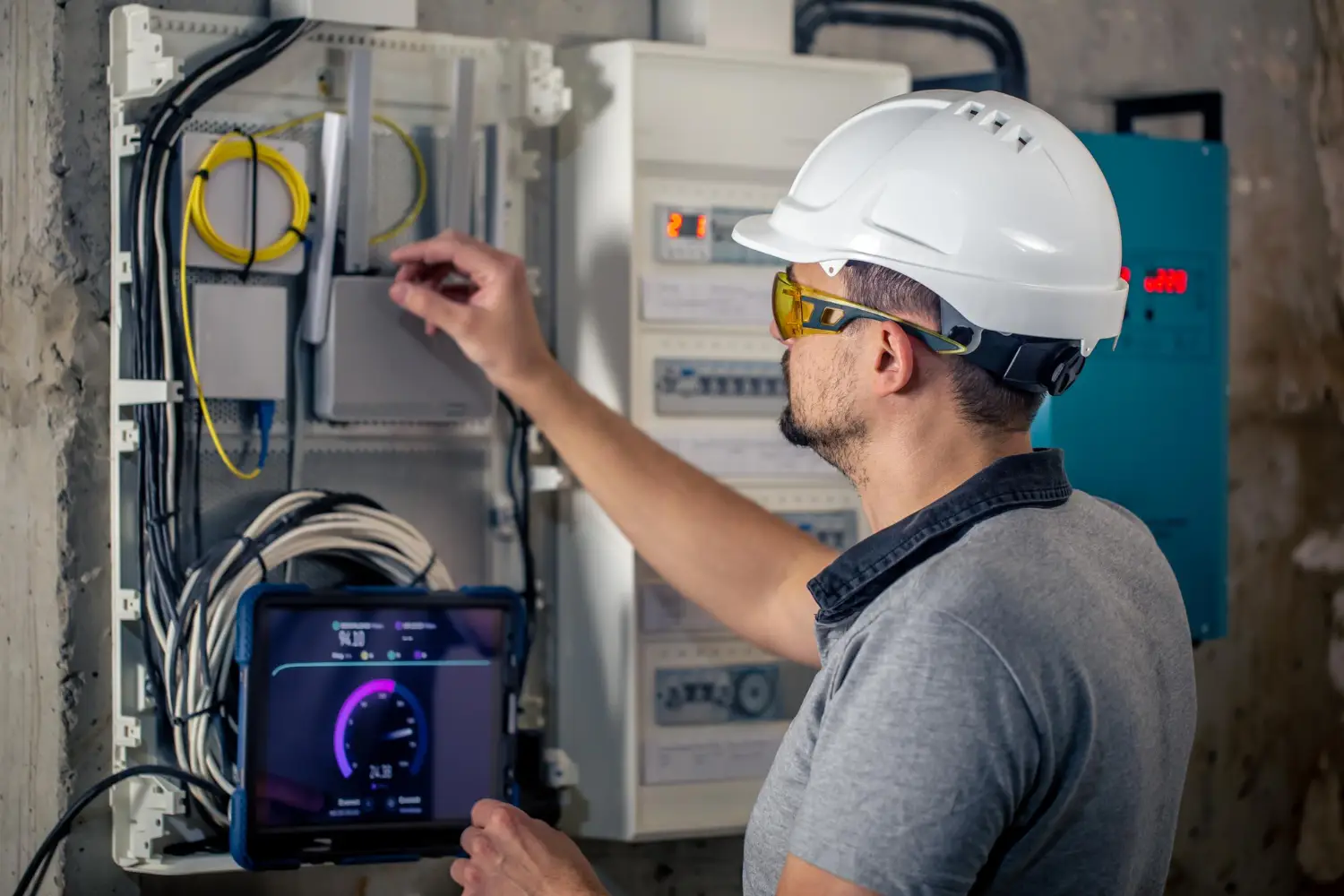
High voltage testing services are used to assess the condition and performance of HV equipment and identify potential electrical faults or weaknesses.
Depending on the equipment and application, testing may include:
- HV cable testing
- Transformer testing
- Switchgear testing
- Circuit breaker testing
- Protection relay testing
- Partial discharge testing
- VLF and Tan Delta testing
The purpose is not simply to produce a pass or fail result. Testing can provide useful information about equipment condition and help identify problems before they contribute to an unexpected failure or outage.
What Is HV Commissioning?
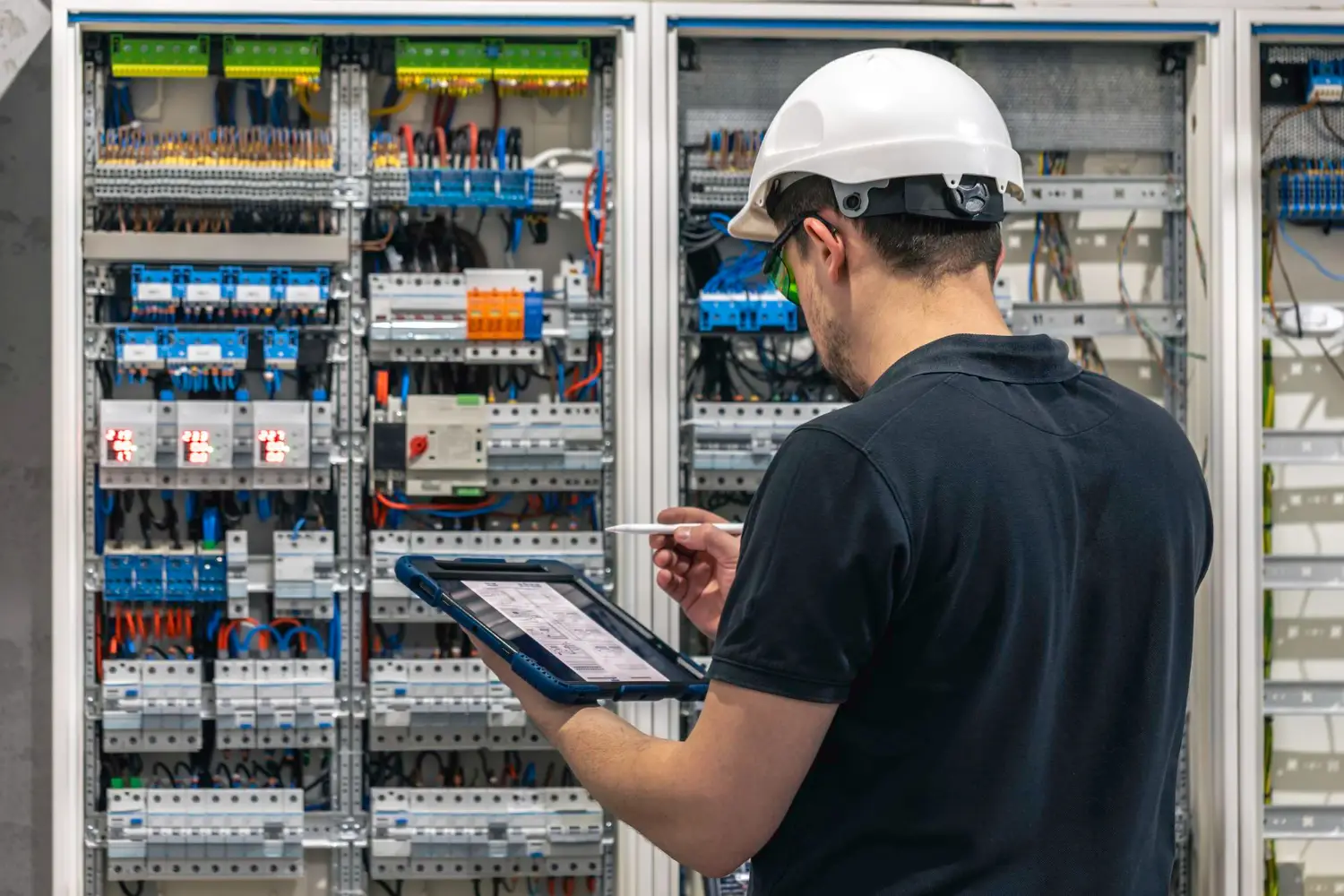
HV commissioning takes a broader, system-level view.
While testing may focus on individual components, commissioning checks that the equipment has been correctly installed, configured and integrated with the wider electrical system. It can include system verification, functional checks, protection relay testing and instrument or meter calibration.
The key question changes from “Does this component perform correctly?” to “Does the complete system operate correctly together?”
HV Testing vs Commissioning: What’s the Difference?
The simplest way to understand the distinction is:
HV testing verifies individual equipment. Commissioning verifies the performance and integration of the overall electrical system.
Testing can therefore form an important part of commissioning, but it does not replace the complete commissioning process.
For example, a transformer may pass its individual tests, but the wider system can still require verification to confirm that protection, controls, instrumentation and other connected equipment operate correctly.
Why Do You Need Both?
Using both processes provides a more complete picture of an HV installation.
Testing can identify equipment defects, insulation concerns or performance issues before energisation. Commissioning then provides an opportunity to confirm that the tested equipment works correctly as part of the complete system.
Together, HV testing and commissioning can help:
- Improve confidence before energisation
- Identify problems earlier
- Reduce the risk of unexpected electrical failures
- Support reliable equipment operation
- Minimise avoidable downtime
- Verify protection and control functions
This is particularly important when installing new equipment or returning an existing system to service following repairs or modifications.
When Should HV Testing and Commissioning Be Performed?
The appropriate testing depends on the equipment, project and operating requirements. Common situations include new HV installations, pre-energisation activities, repairs, modifications, inspections and planned maintenance.
The scope should be determined by the electrical system and the specific assets being assessed rather than applying the same testing program to every installation.
Choosing High Voltage Testing Services in Melbourne
The right provider should understand the equipment being tested, the wider electrical system and the purpose of the testing. A useful service should provide meaningful technical results that help you make informed decisions about energisation, maintenance and asset condition.
For Melbourne businesses undertaking a new installation, electrical modification, repair or planned maintenance, combining appropriate high voltage testing services with commissioning can provide greater confidence that the system is ready to operate as intended.
If you need HV testing or commissioning support, Prot Assist can help assess the testing requirements for your electrical system and equipment. Contact us today!